
In the philosophy of law, there is a hierarchy of laws where at the bottom we have the smallest norms which may be rules and regulations and at the top we have the grand norm, that is, the constitution. At any time, the grand norm would operate irrespective of the changes occurring in the sub norms. Apart from rules and regulations, the sub norms comprises statutes, court decisions and principles of equity.
When a grand norm is discarded, the sub norms likewise go down the drainage, and they cease to operate altogether. A good example here is when Kenya’s new constitution of 2010 provided for county governments, hence, outlawing the system of provincial administration that existed in the old constitution. Although the mutation of grand norms takes various forms, it is popularly manifested by a revolution where old regimes are crushed and new ones ushered in. Indeed, the Haitian revolution (1791-1804) ousted the French colonial and slavery system, thus, paving the way for Haiti’s independence. Suffice to say that in Kenya, our mode of changing the grand norm was the 2010 referendum.
Since a new grand norm upsets the entire legal order, corrective measures are usually initiated to align various laws with the grand norm. Notice how numerous amendments and new laws were introduced in the period after the launch of the 2010 constitution. We had massive of changes in land laws where statutes such as the Government Lands Act, the Registered Land Act, and the Registration of Titles Act were annulled and in place, we have the Land Act, the Land Registration Act, and the National Land Commission Act.
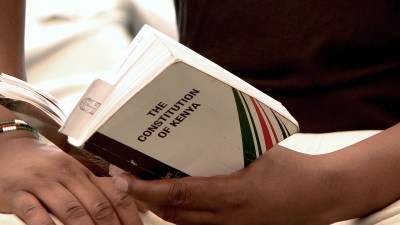
To the ordinary Mwanainchi, familiarizing yourself with the fundamental parts of the constitution, particularly the Bill of Rights goes a long way by helping you to navigate the confusing channels of the court process. Plenty of mix-ups befalling lay people in the court premises are associated with technicalities or formalities. Technical issues can be filing the wrong document, omitting what is required or including what is unnecessary in the papers presented to court. Since courts nowadays are empowered by Article 159 of the Constitution to brush off technical issues which are of no gravity, there is a good chance that a person whose documentation is faulty in some way will still get justice; so long as he or she has captured the fundamental aspects of law, such as, which of their rights have been violated and how have they been violated?
Just as a foundation is to a house so is a constitution to a country’s legal framework. All legal arguments eventually come down to the constitution. Accordingly, no matter how complex or minor a legal issue may seem, having a constitutional background assists to clear the smoke and make things much clear. Clear, I trust, is the nature of this piece, and I leave it here.
 Maswala ya Sheria